
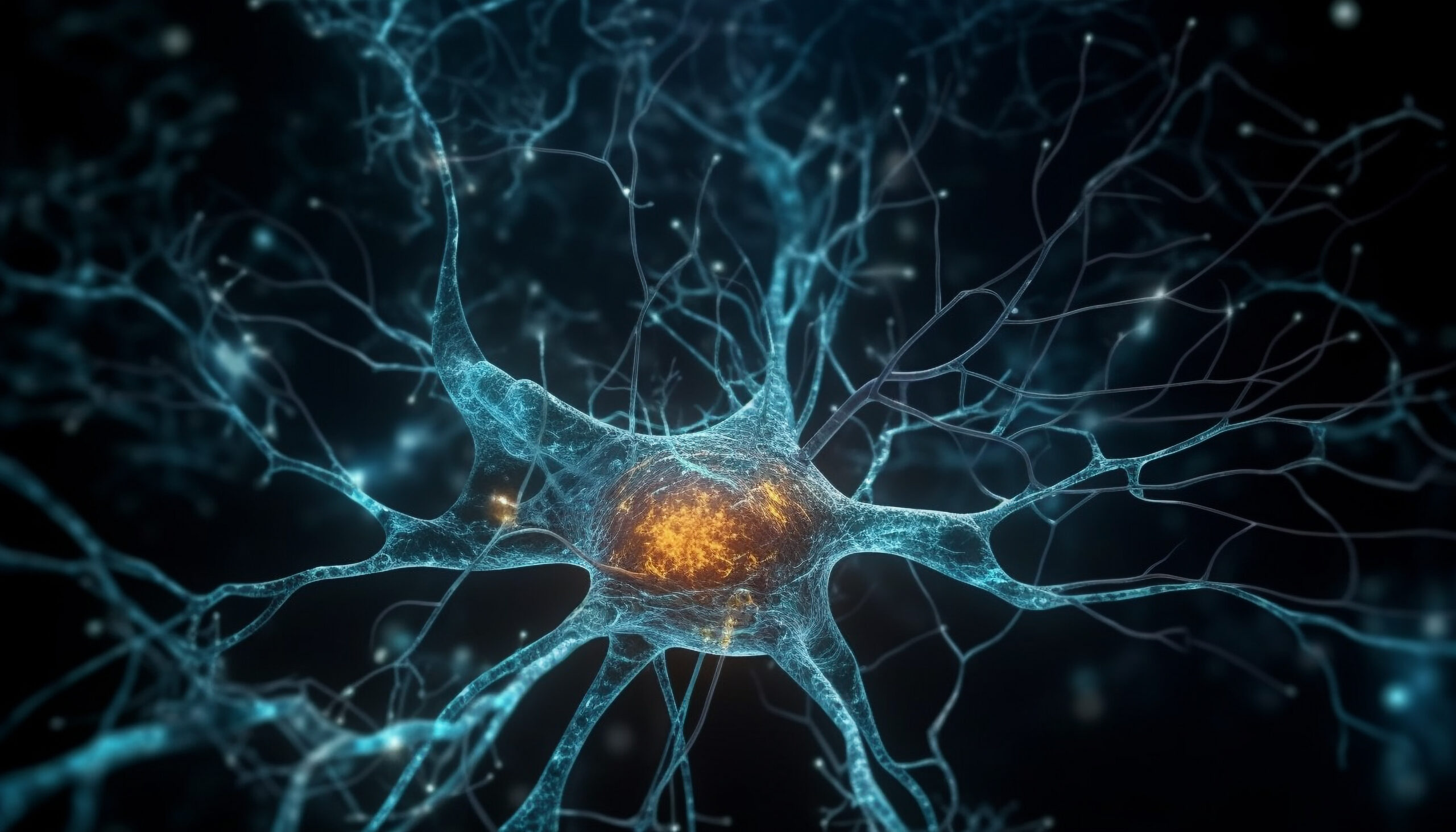
— The brain is not the mind, but it is the tool the mind uses to experience reality.
Positive thinking has often been dismissed as wishful thinking or naive optimism. But modern neuroscience and NLP tell a very different story. A positive state of mind is not a personality trait you either have or do not have — it is a neurological state that can be deliberately trained, anchored, and sustained.
The Neuroscience of Positivity
When you experience positive emotions — joy, gratitude, enthusiasm, love — your brain releases a cocktail of neurochemicals including dopamine, serotonin, and oxytocin. These chemicals do not just make you feel good; they enhance cognitive function, boost immune response, and expand creative thinking.
Dr. Barbara Fredrickson's Broaden-and-Build Theory demonstrates that positive emotions literally broaden your awareness and build your psychological, physical, and social resources over time.
State Management in NLP
In NLP, we use the term state to describe your current emotional and physiological condition. Your state in any given moment determines the quality of your thoughts, decisions, and actions. Manage your state, and you manage your life.
- Physiology: Your body posture, breathing, and facial expression directly influence your emotional state. Stand tall, breathe deeply, and smile — your brain will follow.
- Internal Representations: The images and sounds in your mind determine how you feel. Shift the internal picture, and you shift the emotion.
- Language: The words you use internally and externally shape your neurological state in real time.
The Anchor Technique
One of the most powerful NLP tools for state management is anchoring — the process of associating a specific physical gesture or stimulus with a desired emotional state.
- Step 1 — Recall: Think of a time when you felt extremely positive, confident, and resourceful.
- Step 2 — Amplify: Make that memory vivid — see what you saw, hear what you heard, feel what you felt.
- Step 3 — Anchor: At the peak of the emotion, press your thumb and index finger together firmly.
- Step 4 — Test: Break state, then fire the anchor. Notice how the positive feeling returns.
Building a Sustainable Positive Mindset
- Gratitude Practice: Daily gratitude rewires the brain toward positive pattern recognition.
- Movement: Physical exercise releases endorphins and resets your neurological state.
- Purposeful Consumption: Be intentional about what you read, watch, and listen to.
- Quality Relationships: Surround yourself with people who elevate your state.
A positive state of mind is not about pretending everything is perfect. It is about choosing, even in difficult moments, to access the mental and emotional resources that allow you to respond at your best. That is not wishful thinking — that is mastery.